
Why is the population of the Southeastern Anatolia Region low?

Reasons for Low Population in the Region
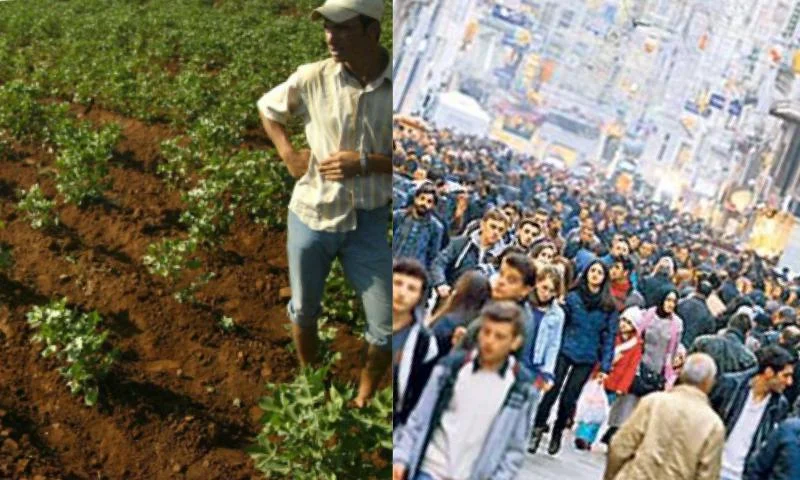
The Republic of Turkey consists of seven geographical regions. These geographical regions are Marmara, Aegean, Central Anatolia, Mediterranean, Black Sea, Eastern Anatolia, and Southeastern Anatolia Region. The population distribution balance in Turkey is not proportional across regions. The Southeastern Anatolia Region, which is one of the two regions with the lowest population in Turkey, is frequently asked about in general knowledge competitions and is encountered as a knowledge question in university and various institution and organization recruitment exams... The low population in the Southeastern Anatolia Region, where the birth rate is very high, can be attributed to socioeconomic and cultural pressures, economic impossibilities, and additionally, the bad reputation stemming from the security problems that have persisted in the region for many years, which is the source of all negativities. Socio-Cultural Reasons: The desire to marry off girls at an early age, which has continued since ancient times, and the migration of girls from the region for education. Honor killings and blood feuds are cited as reasons for people migrating to other cities. Economic Impossibilities: The fertility brought about by natural conditions in the region has not been discovered, leading to insufficient economic investments, and a late acquaintance with technology and industry in terms of agricultural production.
Security Problems: Terrorist acts, especially in the rural areas of the region, and the negative impact these acts have on preventing economic investments in the region and promoting the region's tourist attractions, have led to the isolation of the region's people and created fear among people who would visit the region from within the country and abroad. This prevents people from getting to know the cities of the region, causing people living in the region to migrate to safer areas and leading to a decrease in population.
Reasons for Migration from the Region

When birth rates in the region are considered, the population should be high, yet the main reasons for migration are the limited job opportunities and employment for the working young population aged 20-35, the region's lagging behind western cities in education, the insufficient number of university departments in the region's cities to meet the needs, and the effort to escape negativities arising from the feudal family structure.
What Has Been Done - What Needs to Be Done for Reverse Migration to the Region

Following the gradually decreasing security problems in the region, in recent years, especially through social media promotions, by some YouTube creators and Instagram influencers coming to the region and sharing advertisements of historical sites on their pages, Mardin-Midyat and Şanlıurfa-Göbeklitepe, identified as the world's first settlement, have been flooded with tourists from within the country and abroad, causing a revitalization in the region's economy. This positive momentum in tourism has led to private sector entities also investing in the region. The Southeastern Anatolia Region, which has very valuable lands in terms of agricultural productivity, has significantly contributed to the irrigation of its lands through the state-sponsored irrigation project, abbreviated as GAP (Southeastern Anatolia Project), which has increased production. As an important piece of information, Şanlıurfa is the first city in Turkey in cotton production. Furthermore, with investments made by the private sector in industrialization in production, the region has revitalized, the economy has achieved a noticeable upward momentum, and thanks to this rise, various business sectors have turned towards the region, thus increasing job diversity in the region. This has been effective in the reverse migration of the population that had migrated from the region for various reasons. Going forward, increasing the region's promotion on an international platform, bringing lesser-known historical sites in the region to light to contribute to the country's economy in terms of tourism, and additionally increasing industry-based investments to enhance agricultural diversity in the region with its fertile soil structure can ensure the region's development and increase the prosperity of the economy and the current population of the region. Through this, the factors causing the low population in the region can be eliminated.