
Raised Floor Pedestals
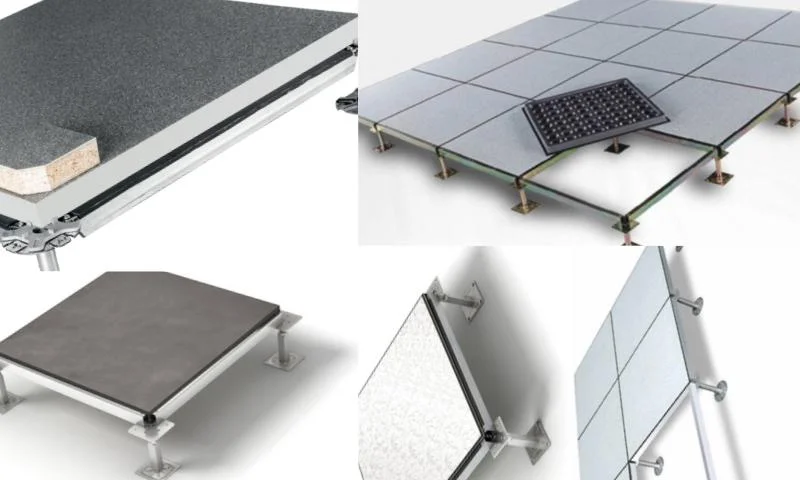
The unsung heroes of raised floor systems, raised floor pedestals allow the floor panels, applied as a second layer, to remain at a specific height and stable. The systems, which can be produced in different shapes and sizes, carry all the load. The pedestals, which bear the weight of the floor panels and the covering material to be placed on them with their robustness, also produce effective results for the strength required due to the traffic density in the environment. The pedestals, which come in two different types, metal and cast, are also produced in different forms depending on their intended use.
Raised Floor Pedestals by Purpose of Use
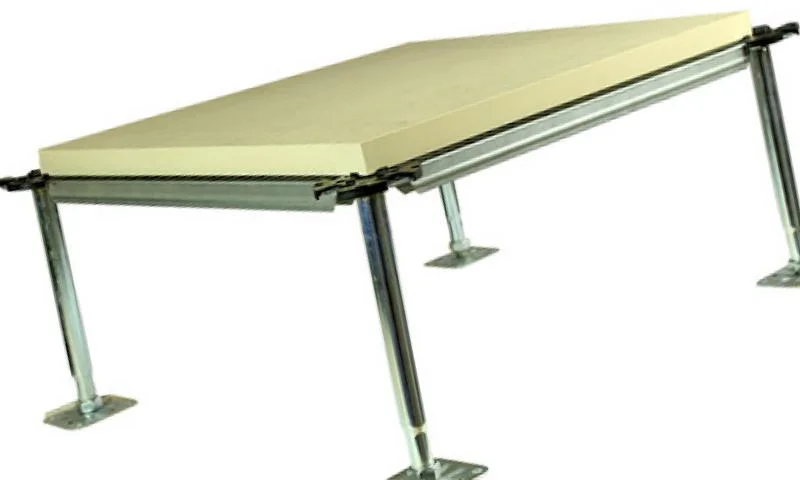
Raised floor pedestals, divided into two types, braced and unbraced, according to their purpose of use, are mounted correctly depending on the application. The pedestals, which also have 3 different types in terms of thickness, are generally made of galvanized sheet metal. In systems that can be produced in different dimensions between 10 cm and 100 cm, depending on demand, the dimensions are determined by the reinforcements that will pass under the floor system. It is possible to reach the requested pedestals through the relevant online firms on the web pages, after evaluating situations such as cabling and installations to be placed between the two floors.
Most Commonly Used Pedestal Thicknesses
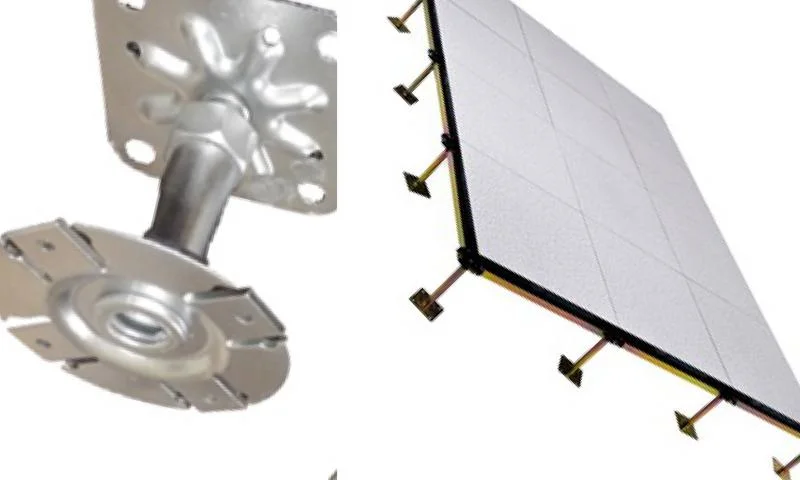
Depending on the purpose of use, there may be differences in the thickness of the pedestals of raised floor systems. Among the options produced in three different thicknesses, metric 14, metric 16, and metric 18, metric 14 and 18 are the most preferred. The lengths of the pedestals can be utilized in different ways to create a smooth and level floor. Unevenness that may occur on the floor is eliminated thanks to adjustable pedestals. The installation of the products, which offer many advantages to the user, is also practical. The options, which can be integrated into the system in a short time, are among the auxiliary elements that can be preferred to avoid new construction work in areas due to their cost-effective opportunities.