
Emotional Effects of Colors
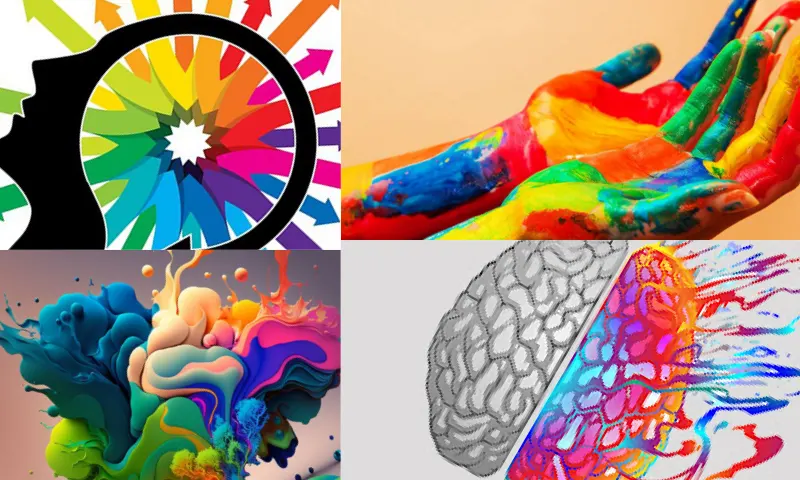
The emotional effects of colors explain the emotional responses people feel towards colors and their psychological impacts. For example, red symbolizes vitality, passion, and energy, while blue evokes feelings of peace, trust, and serenity. Green is associated with nature, while yellow represents joy and energy. The emotional effects of colors are used in many fields, such as advertising, interior design, and psychological therapies. Colors are used in communication with their emotional effects. Especially in fields like marketing, advertising, and interior design, the choice of colors is made with the aim of establishing an emotional connection and evoking specific feelings. For example, the colors in a brand's logo are carefully chosen to evoke trust or excitement in customers. Similarly, the colors in a home's interior decoration can be chosen to create feelings such as calmness, intimacy, or vibrancy. The emotional effects of colors are an important factor that affects people's moods and behaviors. The use of colors is widely used in communication to establish an emotional connection and evoke specific feelings. Therefore, understanding the emotional effects of colors is important for developing more effective strategies in communication and design.
Mental Effects of Colors
The mental effects of colors also examine the impact of colors on people's mental processes. For example, certain colors can have effects such as attracting attention, improving focus, or reducing fatigue. The mental effects of colors play an important role in areas such as the design of learning environments, product packaging, and workplace arrangement. These effects are determined by psychological research to understand how colors affect mental processes. The mental effects of colors can affect emotional and mental states. For example, warm colors (e.g., red and orange) generally evoke feelings of energy and vitality, while cool colors (e.g., blue and green) create a sense of calmness and serenity. Therefore, the use of colors is widely used to reduce stress, increase motivation, and support mental health. Among the mental effects of colors are their effects on memory and learning. Colors play an important role in the processes of encoding and recalling information. For example, taking colored notes or using colorful materials can help information be remembered and learned more easily.
Personal and Cultural Meanings of Colors
The meanings and effects of colors can also be influenced by personal and cultural factors. For example, a color that symbolizes happiness and prosperity in one culture may represent mourning and sorrow in another. The same color can cause different emotional and mental responses in different people. Therefore, the meanings and effects of colors can vary depending on personal experiences and cultural background. The effects of colors on psychology are an important factor that affects people's emotional and mental states. The use of colors also affects people's behaviors and experiences in many fields such as psychology, design, and communication. Therefore, understanding the psychological effects of colors is also important for developing more effective communication and design strategies.