
What is the Impact of BIM for Architects on the Design Process?
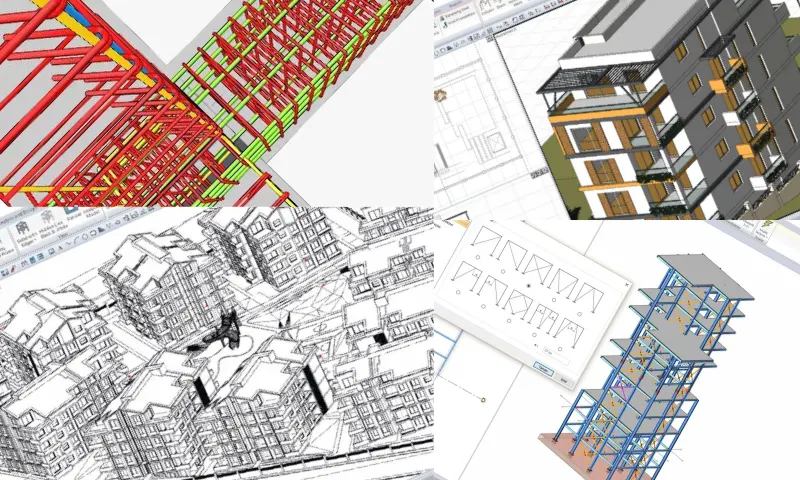
BIM for Architects provides a significant impact on the design processes of architects. Unlike traditional design methods, BIM allows architects to create their designs in a digital environment. 3D modeling capabilities enable architects to visualize the project more realistically. When design changes are made, BIM automatically updates the entire project, allowing architects to adapt quickly to changes. This makes the design process more flexible and efficient. For information on this topic and to ask your questions, you can look at relevant online firms on web pages and examine them in detail.
How Does BIM for Architects Work?
BIM for Architects works by digitizing the design process for architects. Initially, architects can enter their project data in a digital environment. This data is integrated with 3D modeling tools and updated in real-time. This allows architects to examine their designs in more detail and identify potential problems in their projects early on. By providing integration between different disciplines with BIM, architects can communicate and collaborate more effectively with other specialists.
How is BIM for Architects Applied?
BIM for Architects is applied by architects through integration into project processes. Architects acquire BIM software and train their teams on this system. The use of BIM is planned at the beginning of the project, and data entry is performed. As the project progresses, architects continuously update their designs and work in collaboration with other disciplines. BIM ensures data management throughout the project and offers architects real-time analysis and reporting capabilities. This ensures effective control and management at every stage of the project. BIM for Architects makes a significant contribution to the design process, enabling architects to work more effectively, flexibly, and collaboratively. This system supports architects in managing their projects more successfully and meeting client expectations.