
What is Architectural BIM?
How is Architectural BIM Used in Architecture?
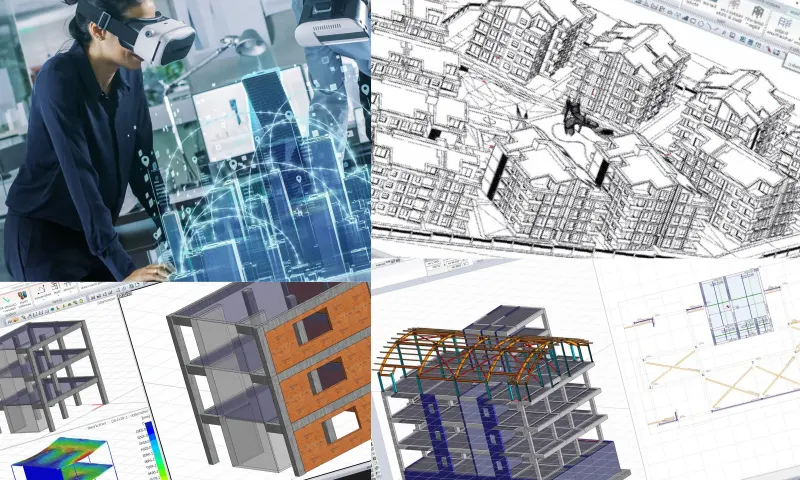
Architectural BIM is a technology that enables the digital modeling of the design, construction, and management processes of buildings. Architectural BIM creates a comprehensive information model that represents the physical and functional characteristics of buildings in a digital environment. This model facilitates collaboration among architects, engineers, contractors, and other stakeholders, ensuring that project processes proceed more efficiently and with fewer errors. BIM goes beyond 3D modeling, and can also include additional dimensions such as time (4D), cost (5D), sustainability (6D), and facility management (7D). This allows for detailed information management and analysis throughout the entire life cycle of buildings. For more information about Architectural BIM, you can visit the website at https://idecad.com.tr/architecture-engineering-construction/building-design/bim-for-architects/.
What are the Advantages of Architectural BIM?
Architectural BIM offers a wide range of applications in architectural projects, from the design phase to the construction and operation stages. During the design process, 3D models are created using BIM software, and detailed analyses are performed on these models. This allows design decisions to be made at earlier stages, and potential errors to be identified and corrected in advance. BIM ensures the integration of different disciplines at every stage of design; architects, engineers, and other stakeholders collaborate by working on the same model. During the construction phase, the BIM model is used for planning and managing the construction process. Architectural BIM offers many advantages. It allows for more accurate and detailed designs. This reduces errors and inconsistencies that may arise during the construction process. It enhances collaboration and coordination. All project stakeholders work on the same digital model, improving information sharing and communication. It provides significant advantages in cost and time management. BIM helps projects to be planned and managed more efficiently, contributing to cost reduction and timely project completion. It enables sustainability and energy efficiency analyses.