
Why is Sea Transportation Preferred?
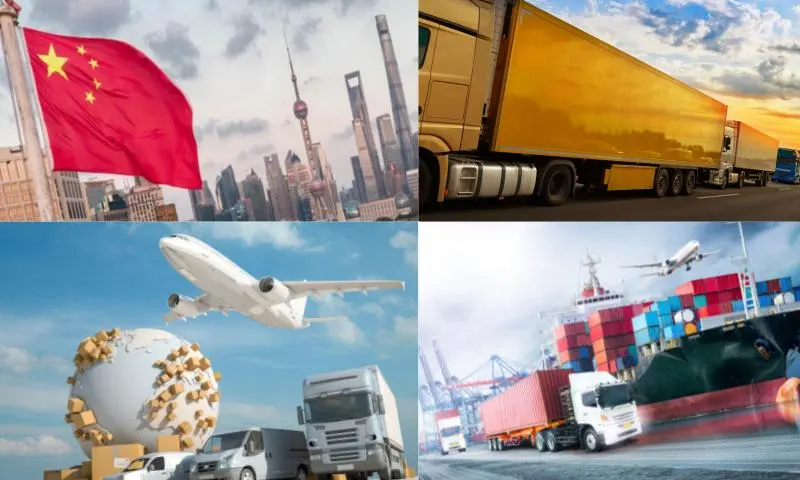
In Which Sectors Does Sea Transportation Stand Out?
Sea transportation is one of the most preferred methods, especially when large volumes of cargo need to be transported economically. Low fuel consumption and cost advantages compared to road or air transport support this preference. The very high capacities of ships allow thousands of tons of cargo to be transported in a single voyage. This significantly reduces logistics costs. The ability to conduct customs procedures more systematically in international trade and to reach many countries simultaneously by sea also plays a role in preferring this type of transportation. You can visit the web address for detailed information about sea transportation.
Can Sustainability Be Achieved in Transportation with Sea Transportation?
Sea transportation is prominent in sectors that transport heavy and large-volume goods, such as energy, automotive, agriculture, construction, and chemicals. While crude oil and natural gas are transported by tanker ships, automotive parts and white goods are shipped worldwide via container transportation. Agricultural products, especially dry bulk goods like grains and legumes, are transported by bulk carriers. For chemical products, safe and controlled transportation is ensured by using specially designed tank containers. In the construction sector, materials such as iron, cement, and marble are mostly transported by sea to ports. Sea transportation offers an environmentally friendly alternative with lower carbon emissions compared to other modes of transport. Transporting large quantities of cargo in a single voyage reduces energy consumption and minimizes environmental impacts. Especially ships with new-generation low-emission engines help reduce the environmental impact of maritime transport. Environmental regulations such as MARPOL and IMO 2020, applied internationally, have increased sustainability standards in the sector. Thus, sea transportation is becoming a balanced solution both economically and environmentally.