
Purpose and Widespread Areas of Safety Nets

Safety nets are effective protective solutions used particularly in areas with a risk of falling from heights, sports fields, road projects, and construction sites. These nets are designed to protect people and surrounding structures from potential accidents. In the construction sector, they reduce the risk of workers falling by being used on the edges of scaffolding, while also securing the surroundings against falling materials. In sports fields, they prevent balls from going out of bounds, protecting both players and spectators. They are also frequently preferred along roads to prevent stone splashing, to delineate hazardous sloped areas, and to increase traffic safety. This wide range of applications shows how important safety nets are in modern urban life. For information on this subject and to ask your questions, you can check out the relevant online companies on web pages and examine them in detail.
How Does Durable Material Selection Affect Safety?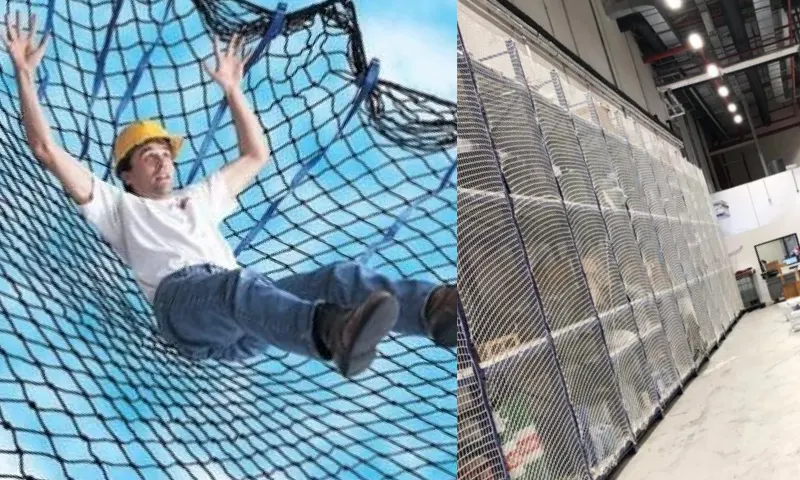
The quality of a safety net is directly related to the raw material used. Nets made from high-strength ropes such as polyethylene (PE), polyamide (PA), and polyester are more resistant to outdoor environments. Choosing nets with UV additives in areas exposed to outdoor conditions like sunlight, rain, and snow significantly extends their lifespan. The mesh size should also be determined according to the area of use. A narrower mesh size increases safety in construction, while different sizes suitable for the flow of the game can be used in sports fields. A thick rope structure absorbs impact and gives the net extra durability. Color options are important for both visibility and aesthetics; black, green, and blue colors are generally in high demand.
The Effect of Installation and Maintenance Processes on Net Lifespan
For safety nets to be effective, not only is the use of quality material sufficient; professional installation and regular maintenance are also of great importance. During installation, the nets must be at the correct tension, and the fastening points must be securely adjusted. Nets that are not taut or are incorrectly fastened can sag quickly, leading to safety risks. During use, regular checks should monitor for any tears, rips, looseness, or deformation in the net. Especially in outdoor use, wind and temperature differences can cause the net material to stretch. Timely repair of worn areas preserves the integrity of the system. When these maintenance steps are properly applied, safety nets continue to perform at a high level for many years.