
How is Urban Transformation Carried Out?
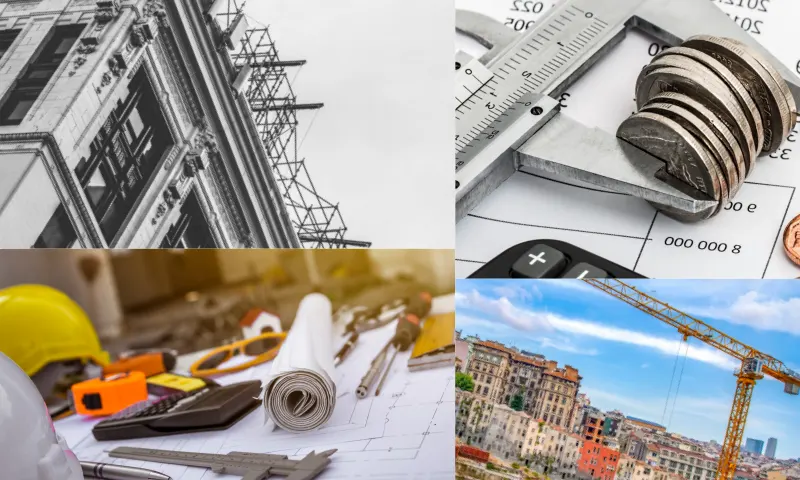
What is the Importance of Planning and Design in Urban Transformation?
Urban transformation is a comprehensive process aimed at improving the physical, economic, and social structures in cities. This process requires cooperation between local governments, public institutions, the private sector, and non-governmental organizations. The first step is to identify the areas that can potentially be transformed and analyze the building stock in these regions. Then, an urban transformation strategy is developed with the participation of various stakeholders. A strong legal framework and planning mechanism are necessary for the successful execution of urban transformation projects. In this process, it is important for local governments to have a comprehensive plan that focuses on factors such as environmental sustainability, energy efficiency, and social justice. If you want to get detailed information about urban transformation, you can visit the web address https://www.tektaskentseldonusum.com/kentsel-donusum-alanlari.
How is the Protection of Historical and Cultural Heritage Ensured in the Urban Transformation Process?
Planning and design play a critical role in urban transformation for the successful realization of the project. Good planning allows for the creation of a sustainable urban living space by considering various factors. In the planning process, it is important to effectively regulate elements such as land use, green spaces, infrastructure, and transportation. In the design phase, aesthetics, functionality, and environmental suitability should be prioritized. Modern and livable spaces should be created by considering factors such as the integration of buildings with their surroundings, energy efficiency, and the use of sustainable materials. Special importance should also be given to the protection of historical and cultural heritage during the design process. In the urban transformation process, the protection of historical and cultural heritage is a critical factor for transferring the values of the past to future generations and preserving the city's identity. This protection should be carefully addressed in the planning and design stages. First, historical structures in the affected areas should be identified, and their preservation through restoration should be ensured. The protection of historical and cultural heritage should be carried out in harmony with modernization efforts.